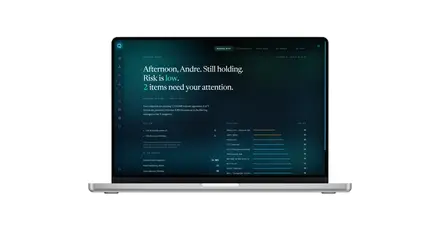
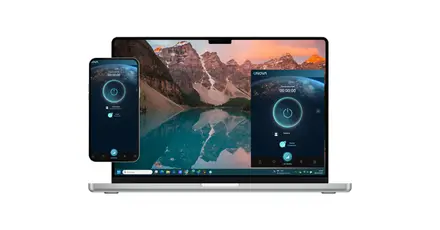
QuantumNova is two things that only make sense together. QS-WAN is the control plane, the browser console an organisation runs its network from. QNova Client is the agent on every device your people work on. Neither product works without the other, and together they are one private network.
The control plane for whoever runs the network. From one console, administrators manage every gateway and policy across all locations, with the visibility and audit trails that compliance demands.
QNova Client is installed on each endpoint, whether that is a computer, a phone or an IoT device. It is the door into the network, and it also protects that endpoint against cyber threats.
This is an example of how the two pieces sit together, and not a customer network. The console sits at the top, the gateways sit under it, and every device that connects through them runs QNova Client. The number of gateways and devices changes from one organisation to the next.
Example structure, not a customer network. Slide it sideways to see the whole drawing.
QS-WAN is the administration platform for the whole network. From one browser console an administrator sees every gateway and every device, writes the policy that governs them, decides what they are allowed to reach, and reads the risk score line by line instead of taking a colour on trust.
Blocklist counted across nine feeds on 2 September 2026. Malware signatures at 31 August 2026. Both grow, so both carry a date.
Network mapping that changes the network, not just a picture of it.
User management that counts devices, not seats.
The rendered configuration file, not a form that hides it.
A risk score built from 19 indicators, that you can read line by line.
It won’t punish you for what nobody has measured yet.
Policy that arrives signed, and can’t be edited on the way.
The database is authoritative.
Delivery to gateways and clients is best effort,
and it converges when the device comes back.
QNova Client is the signed agent installed on every endpoint of the network. It is the door your people go through to reach what they need remotely, and while they work it protects the device they are working on.
Administrators can sign in with your existing identity provider, through Microsoft Entra ID or a local Active Directory.
The network side connects to the cloud networks you already have, including AWS, Google Cloud and Azure.
Talk to our sales team. We size the network with you and agree what you need before anything is installed.
The administrator opens the console and sets up the network: which people are on it, which devices they carry, and which rules apply to them.
They download QNova Client, sign in, and that is the whole of their side of it.
Every connection, including the moment the tunnel is set up.
They are not seven products. They are the same platform seen from seven different problems.
Give people access to internal systems from anywhere.
Run a network that never touches the public internet.
Protect company traffic without routing everything through the office.
Add QS-WAN to the network you already have.
Take the network with you.
Stay ready for the audit, not scared of it.
Turn every company device into a protected endpoint.
Start with the one that describes your week and follow it from there.
Get weekly tips, product news and early access, straight to your inbox.